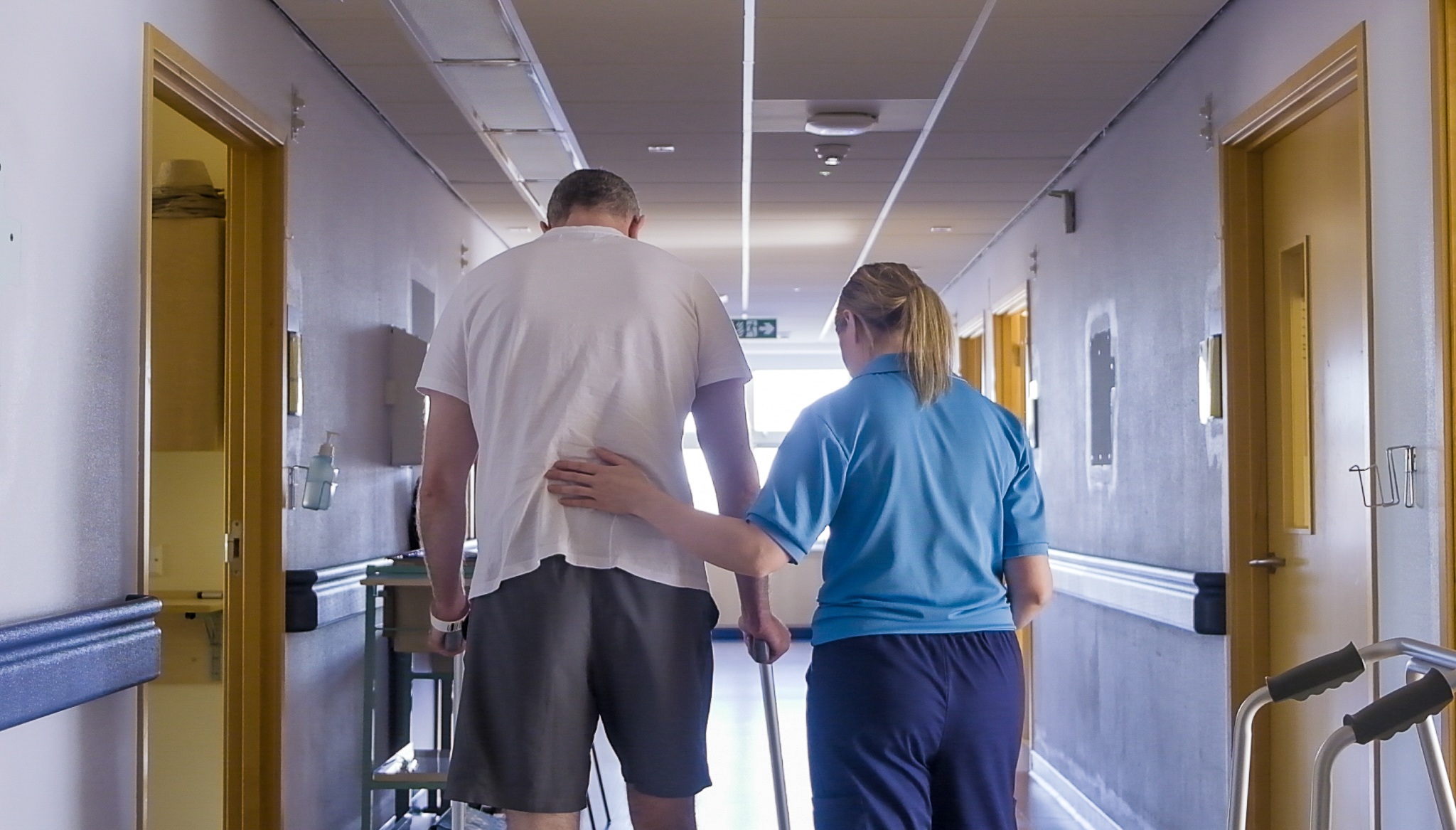
National approach to help Scottish patients with cancer feel stronger and recover faster
People living with cancer across Scotland are being supported to feel stronger, recover faster and improve their long term health through prehabilitation.
The Prehabilitation programme - an evidence based approach supported by the Centre for Sustainable Delivery (CfSD) in collaboration with Macmillan Cancer Support and the Scottish Government - is personalised support given to patients before and during cancer treatment.
It focuses on improving a person’s physical fitness, nutrition and mental wellbeing, so they are better prepared for treatment, can cope with it more easily, and recover better or maintain a better quality of life.
By starting early and matching support to individual need, the new cancer prehabilitation screening pathway helps ensure patients receive the right care, in the right place, at the right time - without delaying cancer treatment.
It is designed to fit around people’s lives, rather than requiring extra hospital visits where they are not needed. Many people can benefit from support that is delivered:
-
At home, through self managed exercise, nutrition and wellbeing plans
-
In the community, with support from local services and the third sector through charities and voluntary groups
-
By healthcare professionals
-
Digitally, using online resources and remote support to guide and motivate people
This flexible approach means patients can build strength and confidence in settings that feel familiar and convenient, while still knowing that specialist support is available if they need it.
Katie Lyon, CfSD’s Macmillan National Improvement Advisor for Cancer Prehabilitation, said: “Prehabilitation is about giving people the right support at the right time, in the place that works best for them.
“By helping people improve their health before treatment starts - whether at home, in the community or through digital support - we can improve recovery, reduce complications and support people to live as well as possible during and after cancer treatment.
“By reducing complications, avoidable hospital stays and unnecessary appointments, prehabilitation supports a more sustainable health and care system, while improving outcomes and experiences for patients.”
Support is offered as early as possible and runs alongside routine care and treatment planning. This timely approach helps people feel more prepared and resilient, with evidence showing benefits can be seen in as little as 2 weeks.
For patients, this can mean:
-
Shorter hospital stays
-
Faster recovery after surgery or other treatment
-
Fewer complications following treatment
-
Improved heart and lung fitness
-
Better nutrition and strength
-
Improvements in concentration and memory
-
Better quality of life and wellbeing
Prehabilitation also helps support people to make positive changes such as stopping smoking or reducing alcohol intake, which can improve treatment outcomes and long term health. The aim is that everyone diagnosed with cancer should be screened to understand what support will help them most, ensuring care is proportionate and personalised.
Prehabilitation is delivered through a collaborative approach, bringing together community services, third sector organisations and NHS care to ensure people receive the right support at the right time.
Support is matched early to individual need:
-
People who need light touch support can be helped to self manage at home or in the community
-
People who need additional or more complex support can receive targeted care either in the community or through secondary care, where specialist hospital teams provide assessment and treatment for people with more complex needs
Secondary care refers to planned or specialist services delivered by hospital teams, such as cancer services and currently plays a key role in prehabilitation by providing specialist expertise and support.
Each person’s plan is developed with them, focusing on what matters to them and supporting both physical and emotional wellbeing.
The aim is to empower people with cancer to take an active role in their own health, helping them feel more confident, informed and in control as they move into treatment, in line with one of the Scottish Government’s core cancer strategy priorities of “best preparation for treatment”.
Gordon McLean, Macmillan Devolved Nations Manager and Nations Lead (Scotland), said: “Together, in partnership with the Scottish Government and working across health, social care and the third sector, we have been able to drive the vital development of this prehabilitation guidance and best practice across Scotland.
“This highlights the benefits prehabilitation can provide in helping to improve outcomes and the wellbeing of people living with cancer. With 100 people diagnosed with cancer every day in Scotland, there must now be a commitment to roll this work out nationally.
“Prehabilitation must become a core part of cancer care in Scotland, and we’re committed to working with partners to ensure we can make this a reality for people living with cancer right now, and those who will be affected in the future.”
CfSD continues to work with NHS partners such as third sector organisations and Health and Social Care Partnerships (HSCPs) across Scotland to support consistent and equitable access to the pathway, helping ensure that everyone affected by cancer can benefit from this person centred approach.